2026 MRMORINGA.CLUB IS NOW A MEMBER OF KENDRICK HENRY'S GROW MORINGA COLLECTIVE

About Us
Discover the Heart of Our Practice
We are more than just a yoga studio—we are a community dedicated to holistic well-being. Our experienced instructors create a supportive space where individuals of all levels can explore the transformative power of yoga. From mindfulness to movement, we believe in nurturing the body, calming the mind, and uplifting the spirit. Join us on this journey to find balance, strength, and peace within.

Balance.
Harmony. Strength. Transformation.
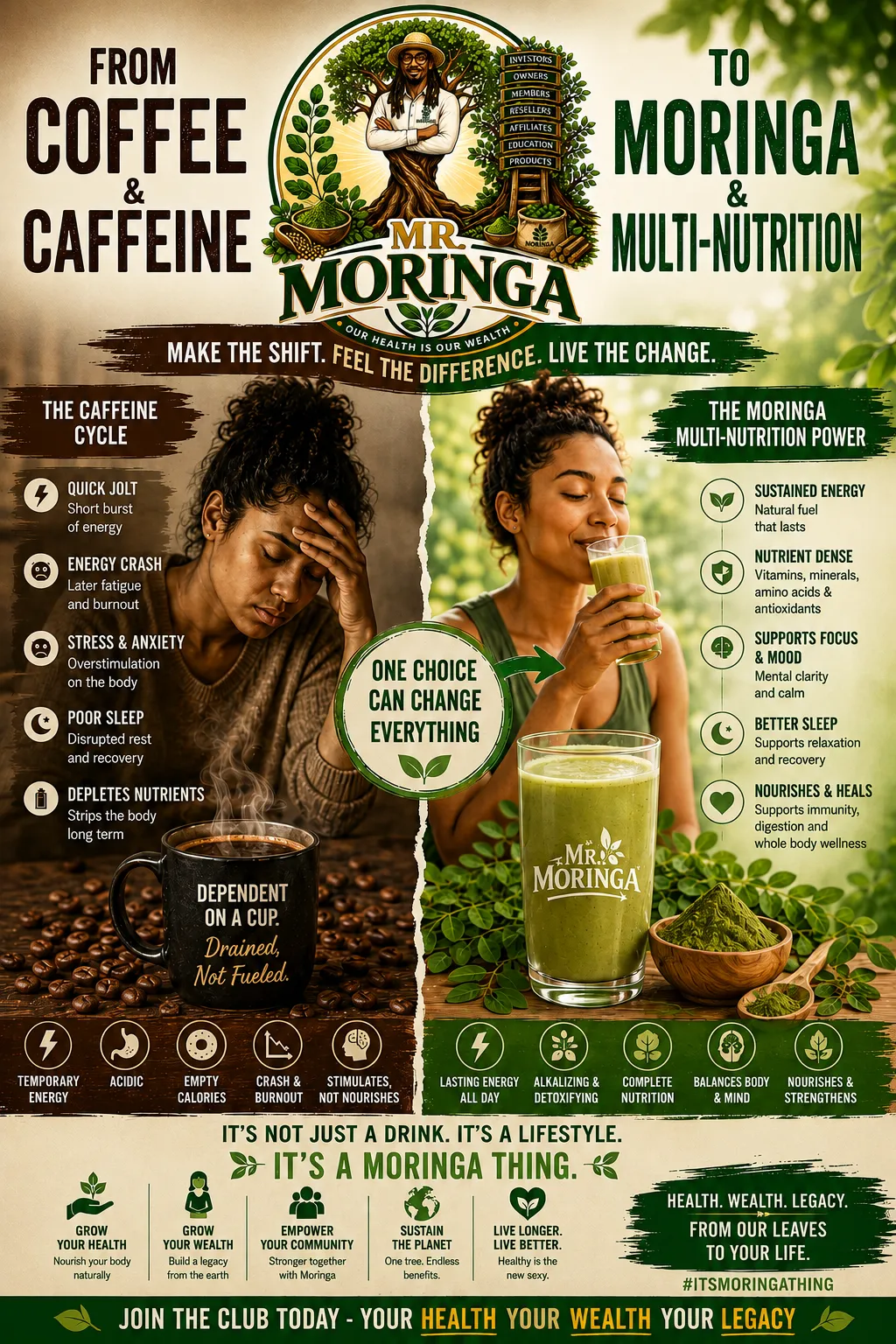
Would You Switch from Coffee to Moringa for Better Health?
Wellness, Nutrition, Healthy Habits
Would You Switch from Coffee & Caffeine to Moringa & Multi-Nutrition?
If your day doesn’t officially start until the first sip of coffee hits your lips, you’re not alone. But as more people question their reliance on caffeine, a new contender is showing up in mugs and smoothies: moringa, often paired with broader multi-nutrition. Could this nutrient-packed plant really replace your daily coffee ritual—or even improve it?
Why We Love Coffee—And Why It Might Not Love Us Back
Coffee is more than a drink; it’s a ritual, a comfort, sometimes even a personality trait. The main reason we reach for it is simple: caffeine. Caffeine blocks adenosine, a brain chemical that makes you feel sleepy, giving you a quick burst of alertness and focus.
In moderation, caffeine can feel like a productivity superpower. But for many people, the relationship becomes complicated. Common issues include:
Energy crashes: The mid-morning or afternoon slump after the initial high wears off.
Jitters and anxiety: Racing heart, shaky hands, or a wired-but-tired feeling, especially in sensitive individuals.
Sleep disruption: Difficulty falling or staying asleep, even when you only drink coffee earlier in the day.
Dependence: Headaches, irritability, and fatigue when you skip your usual cup.
Add in the sugar, flavored syrups, and cream that often accompany coffee, and your morning boost can quietly turn into a habit that taxes your nervous system, your sleep, and even your waistline. It’s no surprise that many people are asking: Is there a better way to feel energized?
Meet Moringa: The “Miracle Tree” with Real Nutritional Muscle
Enter moringa oleifera, a leafy green tree native to parts of Asia and Africa, sometimes called the “miracle tree” or “drumstick tree.” Unlike coffee, which is prized almost entirely for its caffeine, moringa is valued for its dense nutritional profile.
The leaves, typically dried and ground into a fine powder, contain a broad spectrum of nutrients, including:
Vitamins: Notably vitamins A, C, and several B vitamins that support energy metabolism and immunity.
Minerals: Iron, calcium, magnesium, and potassium, which play roles in muscle function, oxygen transport, and nerve health.
Protein: Moringa leaves are surprisingly high in plant protein, including essential amino acids your body cannot make on its own.
Antioxidants: Compounds that help combat oxidative stress, supporting healthy aging and recovery.
Instead of delivering a single jolt like caffeine, moringa offers foundational nourishment. Think of it less as a “button you push” for instant energy and more as a daily investment in how your body functions over time—supporting steady vitality, hormone balance, and resilience to stress.
From Quick Fix to Daily Fuel: What “Multi-Nutrition” Really Means
The idea of switching from coffee to moringa isn’t just about swapping one drink for another. It’s about shifting from a quick-fix mindset to a multi-nutrition approach—feeding your body a broader range of nutrients that work together, rather than chasing a single stimulant.
Multi-nutrition means combining sources like moringa with other whole foods, vitamins, minerals, and healthy fats to support:
Stable energy: Nutrients that help your cells produce energy efficiently, without spikes and crashes.
Brain function: B vitamins, omega-3s, and antioxidants that support concentration, memory, and mood.
Stress response: Nutrients that support your adrenal glands and nervous system, helping you handle daily pressure more calmly.
Immune health: Vitamins C and D, zinc, and phytonutrients that help your body defend and repair itself.
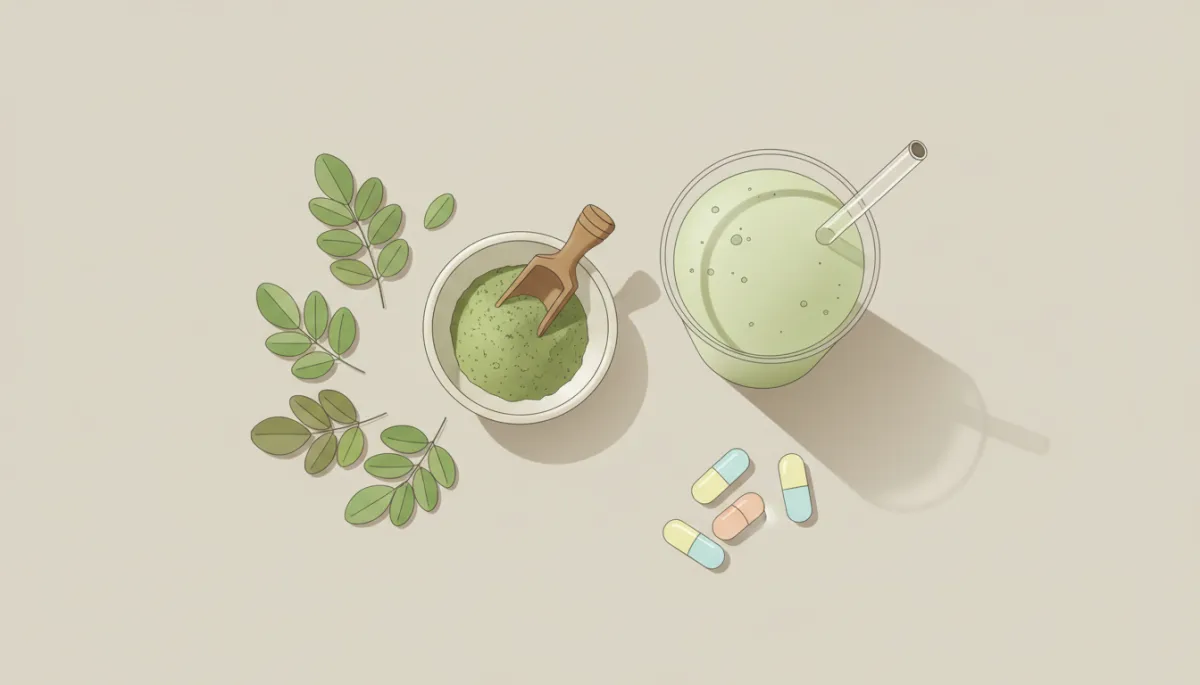
Pairing moringa with balanced multi-nutrition can support more stable, sustainable daily energy.
Coffee vs. Moringa: How Do They Really Compare?
To decide whether you’d switch from coffee and caffeine to moringa and multi-nutrition, it helps to look at how they stack up in everyday life.
Energy and Focus
Coffee delivers fast, noticeable stimulation. Within minutes, you feel more awake. Moringa, on the other hand, is non-stimulant. Any boost you feel is more subtle and gradual, coming from improved nutrition, better blood flow, and more balanced metabolism over time. For some, this feels like “cleaner” energy; for others, it may not feel dramatic enough at first.
Mood and Stress
Caffeine can temporarily elevate mood but may also amplify anxiety, especially if you’re already stressed or prone to worry. Moringa’s antioxidants and micronutrients support the systems that regulate mood and stress hormones. Many people report feeling more even and grounded when they rely less on caffeine and more on nutrient-dense foods and supplements.
Sleep and Recovery
Coffee, especially later in the day, can interfere with deep, restorative sleep. Poor sleep then leads to more coffee the next morning, and the cycle continues. Moringa contains no caffeine, so it doesn’t directly disturb sleep. In fact, its magnesium and other nutrients may support muscle relaxation and nighttime recovery when taken as part of a balanced routine.
Long-Term Health Impact
Coffee itself can have benefits—such as antioxidants and possible support for brain and liver health—when enjoyed in moderation. But when your daily energy strategy revolves solely around caffeine, you may be neglecting other nutritional needs. Moringa and multi-nutrition aim to fill in the gaps, helping your body function better at every level, from digestion to immunity to hormone balance.
💡 Pro Tip: You don’t have to see coffee as “bad” and moringa as “good.” Think in terms of balance and support: less dependence on caffeine, more reliance on real nourishment.
What Switching Could Look Like in Real Life
The idea of giving up coffee overnight can feel intimidating—especially if you’ve been a daily drinker for years. Fortunately, “switching” doesn’t have to be all-or-nothing. You can move from coffee and caffeine toward moringa and multi-nutrition in small, manageable steps.
Start by adding, not subtracting. Begin your day with a moringa smoothie, latte, or capsule alongside your usual coffee. This builds your nutritional foundation before you cut back on caffeine.
Reduce coffee gradually. Shift from three cups to two, then to one. You might replace your afternoon coffee with a warm moringa drink, herbal tea, or simply water with lemon and a balanced snack.
Layer in multi-nutrition. Consider a high-quality multivitamin, omega-3 supplement, or additional superfoods (like chia, flax, or berries) to support your new routine and keep energy steady.
Listen to your body. Notice changes in your focus, mood, digestion, and sleep. Many people find that within a few weeks, they no longer crave caffeine in the same way because their energy feels more stable overall.
Is Switching to Moringa & Multi-Nutrition Right for You?
So, would you switch from coffee and caffeine to moringa and multi-nutrition? The answer depends on your lifestyle, your body, and your goals. You might be a great candidate if:
You rely on multiple cups of coffee just to feel “normal” each day.
You struggle with jitters, anxiety, or afternoon crashes after caffeine.
Your sleep is light, restless, or not as restorative as you’d like.
You’re interested in long-term wellness, not just short-term stimulation.
On the other hand, if you enjoy one simple cup of coffee each morning, sleep well, and don’t experience any unpleasant side effects, you may not feel the need to give coffee up completely. You can still benefit by adding moringa and multi-nutrition to your day for extra support, rather than using them as a strict replacement.
⚠️ A quick note: If you have medical conditions, take medications, or are pregnant or breastfeeding, it’s wise to speak with a healthcare professional before making major changes to your caffeine intake or starting new supplements like moringa.
Bringing It All Together: A New Kind of Morning Ritual
At its core, the question “Would you switch from coffee & caffeine to moringa & multi-nutrition?” is really a question about how you want to feel in your body—not just for the next hour, but for the rest of your life. Coffee gives you a spark. Moringa and multi-nutrition help build the firewood, the oxygen, and the steady flame underneath.
You don’t have to abandon the pleasure of a warm mug in your hands or the comfort of a morning ritual. You can simply reimagine what’s in the mug. Maybe it’s a gently sweet moringa latte with oat milk, paired with a nutrient-rich breakfast and a thoughtfully chosen multivitamin. Maybe it’s a mix of both worlds: one small coffee, plus moringa and multi-nutrition to support everything else your body does for you all day long.
If you’re curious, try a simple experiment: for the next few weeks, reduce your caffeine slightly while adding moringa and a broader base of nutrition. Pay attention to how you wake up, how you move through your afternoon, and how you sleep. Your body will tell you whether this switch is worth making—and you might discover that calm, steady energy feels far better than a fleeting buzz ever did.
📌 Ready to Go Deeper with Moringa? If you’d love support, recipes, and a like-minded community while you upgrade your daily ritual, join the Grow Moringa Collective and turn this simple switch into a long-term lifestyle shift.

With Kendrick Henry, We are Turning Moringa into INCOME!!!
Even If you don't have land or trees, that's okay. Start with the right information. Kendrick Has over 10 years of moringa farming experience, to help you. The next step, is to learn how to turn moringa into a valuable product that you can sell.

Our Health Is Our Wealth
Quick Links
More Info
Free Resources
Ready To Grow Give Us a Call or Text.


